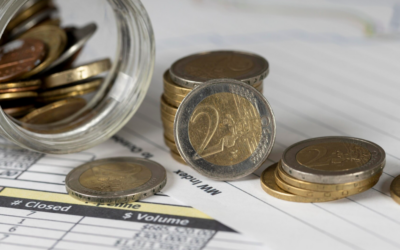
A banking and savings tracker is not just a short-term organizational tool. When used consistently, it becomes the foundation of a complete long-term financial system. The first step in building this system is consistency. Tracking must be performed regularly enough...

Alen Tomic
How Tracking Helps You Eliminate Financial Waste
Financial waste is one of the most overlooked areas of personal finance because it rarely appears as a single large expense. Instead, it builds gradually through small, repeated transactions that often go unnoticed. A banking and savings tracker helps uncover these...
How Digital Banking Tools Improve Savings Tracking
Digital banking tools have significantly transformed the way people track and manage their financial activity. What once required manual spreadsheets or handwritten notes can now be done automatically through banking apps and online platforms. One of the most...
The Difference Between Tracking and Budgeting (and Why You Need Both)
Although many people use the terms tracking and budgeting interchangeably, they represent two fundamentally different financial functions that work best when combined. Budgeting is a forward-looking system. It is about planning how you intend to allocate your money...
How a Savings Tracker Helps You Build Financial Discipline
A savings tracker is one of the most effective tools for building long-term financial discipline because it transforms saving from an abstract intention into a visible and measurable process. Many people struggle with saving money not because they do not earn enough,...
Why Tracking Your Banking Activity Is the Key to Financial Control
Most people assume that financial control comes from earning more money, cutting expenses, or finding better financial products. While all of these factors can help, the real foundation of financial stability is something much simpler and often overlooked: consistent...